

That searing summer of 2012-2013, a season so relentless it was nicknamed the 'Angry Summer', still holds the title as Australia's hottest summer on the books. It was a period defined by a kind of extreme, widespread heat that didn’t just feel hot—it fundamentally rewrote our weather records.
What Defines Australia's Hottest Summers
When we talk about Australia's "hottest summer," it’s about so much more than a few unbearable days at the beach. A truly record-smashing summer is a beast defined by its intensity, its stubborn duration, and its sheer geographic scale. It’s not just one city hitting 45°C; it’s the whole continent feeling the pressure of sustained, exceptional heat.
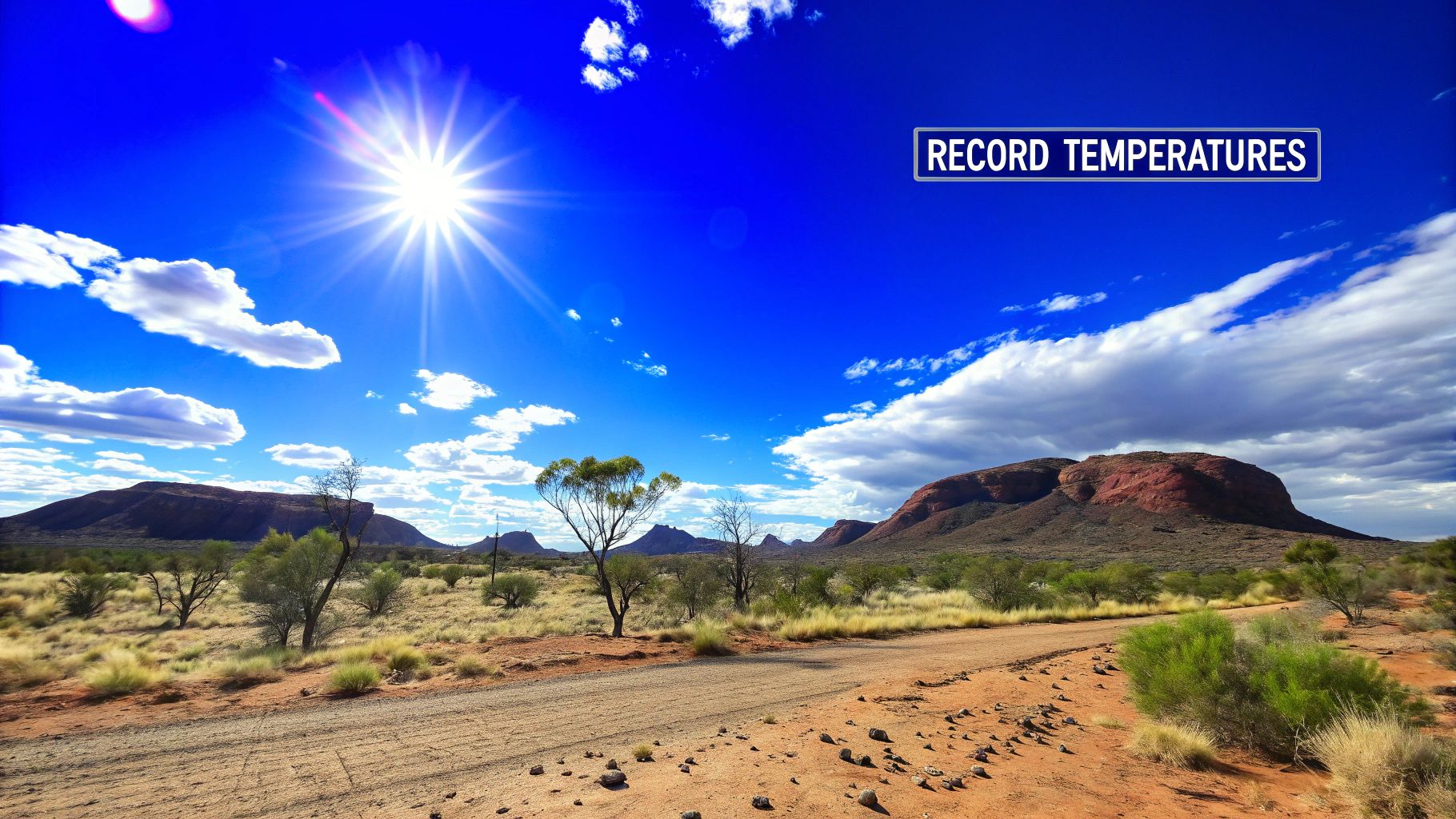
Think of it like this: a normal Aussie summer can feel like a pot of water on the stove that boils over now and then before settling down. A record-breaking summer, however, is when the dial is turned to high and just left there. The water boils and boils for weeks on end. That constant, widespread heat is what separates a nasty hot spell from a historically significant heatwave.
The Anatomy of a Record-Breaking Summer
So, what are the key ingredients that have meteorologists officially declaring a summer the "hottest ever"? It boils down to a few critical factors that, together, paint a picture of a nation under climatic stress.
- Sustained High Temperatures: This is all about persistence. We're talking about records for things like the most consecutive days above 39°C on a national average. The heat just doesn't quit.
- Widespread Impact: The heatwave isn't just stuck in one corner of the country. A record summer blankets multiple states and territories at the same time, from the west coast to the east.
- Broken Records: This is the most straightforward measure. It’s a simple, brutal tally of how many long-standing daily, monthly, and seasonal temperature records get shattered across the nation.
The infamous 2012–2013 'Angry Summer' is the perfect case study. Over just 90 days, an incredible 123 historical weather records were broken. This included a new national record for the hottest day ever recorded in January and the highest summer average temperature since records began. The sheer volume of smashed records tells the story. You can learn more about the unprecedented heat during the 'Angry Summer'.
A record-breaking Australian summer isn't just about peak temperatures; it's about the relentless, continent-wide nature of the heat that strains ecosystems, infrastructure, and human health for an extended period.
To give this some more context, let's look at the numbers behind some of these major events.
Defining Statistics of Australia's Record Summers
This table provides a snapshot of the key metrics from Australia's most significant heatwave events, showing the sheer scale of these record-breaking periods.
| Record Event | Defining Statistic | Area Affected | Historical Significance |
|---|---|---|---|
| The 'Angry Summer' (2012-2013) | 123 weather records broken over 90 days | 70% of the continent | Set the new record for Australia's hottest summer. |
| The 2018-2019 Summer | Hottest month on record (January 2019) | Nation-wide | Also became the warmest summer on record by some metrics, eclipsing 2012-13. |
| South-eastern Heatwave (2009) | Melbourne reached 46.4°C | Victoria & South Australia | Preceded the devastating Black Saturday bushfires. |
| 'Silent Heatwave' (2014) | Brisbane experienced 10 consecutive days over 30°C | Queensland & NSW | Noted for its high humidity and prolonged duration, causing significant health impacts. |
These figures aren't just trivia; they represent periods of immense national strain, highlighting how these summers push our environment and communities to their limits.
Beyond Just Temperature
It's also crucial to look past the daytime highs. One of the most dangerous calling cards of a record summer is the lack of overnight cooling. When night-time temperatures stay stubbornly high, it robs our bodies and the environment of the chance to recover from the day's heat stress.
This compounding effect is what makes these events so dangerous. It turns a hot summer from an inconvenience into a genuine national challenge, impacting everything from our health to our infrastructure.
The Climate Drivers Behind Extreme Heatwaves
To get a handle on what really fuels Australia’s scorching summer heatwaves, it’s useful to think of our weather as a complex engine. While climate change is warming up the whole system, a few specific parts have to lock into place to really send temperatures into record-breaking territory. These are the climate drivers that cook up the perfect storm for extreme heat.
It often kicks off with a stubborn high-pressure system that parks itself over the continent. Picture someone placing a giant, invisible lid over the country. This system, often called a heat dome, does exactly that—it traps a huge mass of hot air and stops it from escaping. As the sun relentlessly beats down day after day, the air trapped under the dome just gets hotter and hotter, effectively baking the landscape below.
This trapped heat then gets a supercharged boost from hot, dry air flowing in from Australia's arid centre. These northerly or westerly winds act like a massive hairdryer, blasting scorching air across the southern and eastern states and pushing temperatures way beyond the usual summer highs.
The Influence of Larger Climate Cycles
While local weather patterns like heat domes set the immediate stage, bigger, more powerful forces churning away in the Pacific and Indian Oceans are often pulling the strings from behind the scenes. These natural climate cycles can dramatically shape Australia’s weather for months, or even years, making the conditions ripe for a brutally hot summer.
Two of the heaviest hitters are:
- El Niño: When an El Niño is active, warm surface water in the central and eastern Pacific Ocean shifts rainfall patterns away from Australia. For us, that usually means drier conditions and fewer clouds, especially across the eastern states. More direct sun means more heat.
- A Positive Indian Ocean Dipole (IOD): A positive IOD involves cooler-than-average sea surface temperatures off our northwest coast. This change chokes off the flow of moisture to the continent, often leading to widespread drought and hotter, drier weather, particularly in the southeast.
When these two events happen at the same time, they can unleash a powerful drying and heating effect across the country, dramatically cranking up the odds of extreme heatwaves.
It's the combination of these large-scale climate drivers with local high-pressure systems that creates the recipe for a truly record-breaking summer. They work in tandem to reduce rainfall, clear the skies, and allow heat to build relentlessly over the continent.
Amplifying the Natural Cycles
These natural patterns have always been around, but now they're playing out in a world that is fundamentally warmer than it was a century ago. The background warming of our planet is an amplifier, turning what would have been a hot summer in the past into an unprecedented one today.
Think of it like this: the whole baseline has been jacked up. A heatwave that might have topped out at 40°C in the past can now much more easily climb to 42°C or higher because the starting point is already warmer. This means when drivers like El Niño roll in, their impact is magnified, leading to more frequent and intense blasts of extreme heat. This sustained pressure on our climate also puts immense strain on our natural resources, a growing worry highlighted by the potential for water restrictions in major cities. You can learn more about the challenges facing Sydney’s water catchments, for instance.
The science is crystal clear: while natural cycles play a key role, the increasing intensity of Australia's hottest summers is directly tied to this underlying warming trend. This dangerous combination means that future heatwaves are likely to be even more severe, pushing the limits of what our environment and our communities can endure.
Tracking Australia's Long-Term Warming Trend
While an intense, record-shattering summer like the 'Angry Summer' can feel like a shocking, one-off event, it’s actually a powerful clue to a much bigger story. When you step back and look at the bigger picture, you realise these aren't just random blips on the radar. They are exclamation points in a clear, accelerating warming pattern that's been reshaping Australia's climate for over a century.
This isn't just about summers feeling hotter than they used to; it's a measurable, data-driven reality. The historical records kept by the Bureau of Meteorology tell an undeniable story of change. When climate scientists dig into this data, they aren't just looking at individual hot days. They're analysing temperature anomalies—that is, how much a specific period deviates from the long-term historical average.
Looking at these anomalies reveals a stark trend. The baseline for what we consider "normal" has shifted upwards, and significantly so. A summer that might have been labelled unusually warm back in the 1950s could now be seen as pretty average.
A Century of Rising Temperatures
The data paints a very clear picture of this shift. Over the last century, Australia’s national average temperature has climbed steadily, with the pace of warming really picking up speed in recent decades. It's a gradual but relentless march upwards, and it's fundamentally altering the conditions our weather systems operate in.
Australia’s long-term temperature trends show a dramatic warming over the past hundred years. According to official data, our national average temperature has risen by 1.62°F (0.9°C) since 1910. This warming isn't a straight line; there have been significant jumps in recent decades, with the first half of the 2010s chalking up several of the warmest years on record. You can explore the scientific analysis linking this trend to extreme weather events like the 'Angry Summer' for a deeper dive.
This underlying warming is critical because it means natural climate drivers are now playing out in a hotter world. Think of it like raising the floor of a basketball court. The players (our climate drivers like El Niño) can still jump to the same height, but because the floor is higher, their reach is now much greater. This allows them to dunk the ball—or in this case, shatter temperature records—far more easily.
This infographic breaks down the key climate drivers that, when amplified by this long-term warming, cook up Australia's hottest summers.
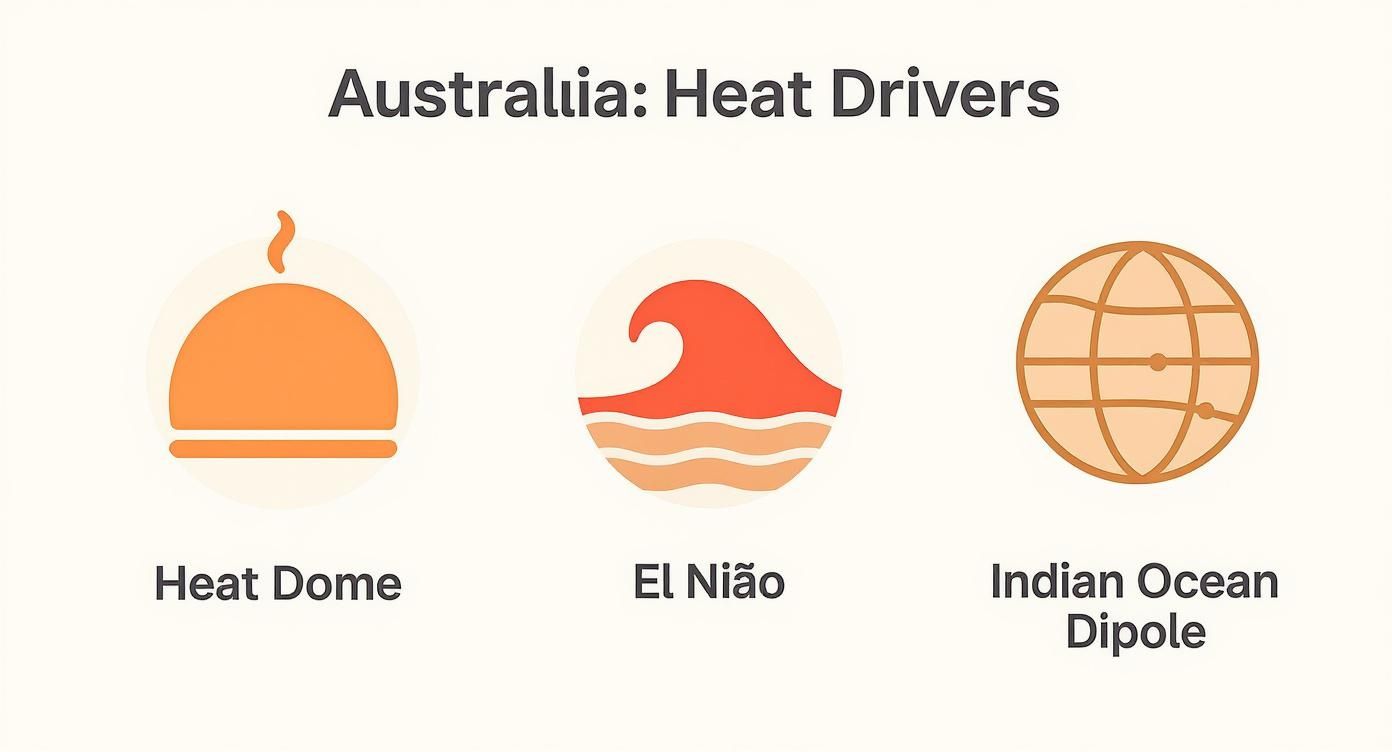
The image shows how local weather patterns, like a 'heat dome', and large-scale climate cycles team up to create the perfect conditions for extreme heat right across the continent.
The New Reality of Australian Summers
This long-term trend has profound implications for what we can expect from our summers. The sheer consistency with which recent years have landed in the 'above average' temperature category shows we're living in a new climatic reality.
The increasing frequency and intensity of record-breaking heat is not a cyclical pattern but a direct consequence of a warming climate. Australia has always had hot summers, but the heat we experience now is occurring more often and with greater severity than ever before.
This shift means that events once considered extreme are fast becoming the new norm. What used to be a once-in-a-century heatwave could soon become a once-in-a-decade, or even more frequent, event. This acceleration demands a much bigger focus on adaptation and preparedness, from our national infrastructure right down to individual household safety, to cope with the growing challenge of Australia's hottest summer becoming a more common phenomenon.
How Extreme Heat Affects Our Health And Infrastructure
When a brutal heatwave rolls in, it does a lot more than just make us feel hot and bothered. It puts a massive strain on our bodies and on the essential services we count on every single day. The relentless, searing heat that defines Australia's hottest summer is a silent threat, triggering a domino effect that ripples through our communities, touching everything from our personal health to the stability of our entire national infrastructure.
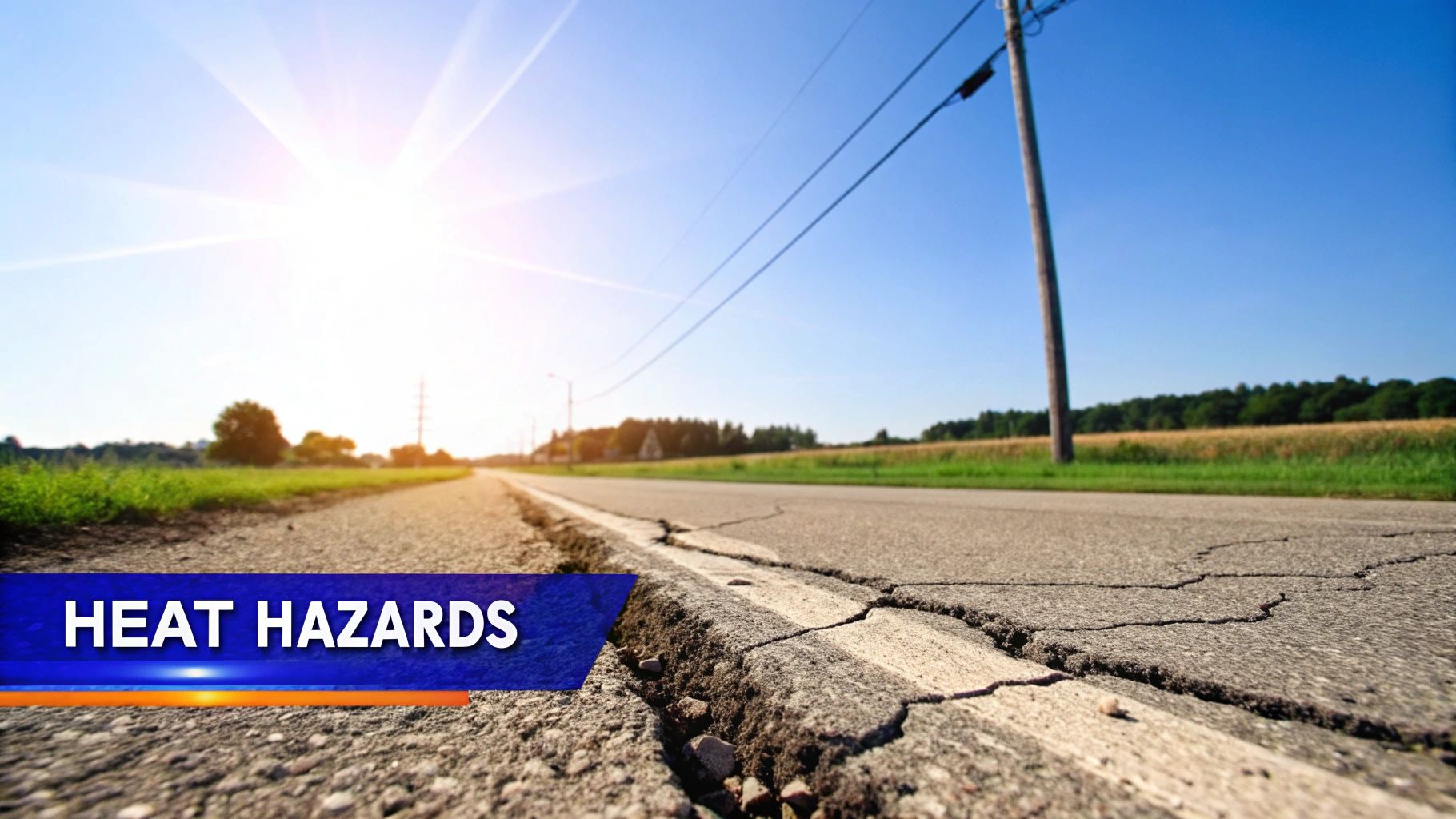
The first and most immediate danger is to our health. Think of your body like an engine that needs to stay within a pretty specific temperature range to run smoothly. When it’s exposed to extreme heat, this internal cooling system can get completely overwhelmed, opening the door to some serious health risks.
The Direct Impact On Human Health
Extreme heat is so dangerous because its effects build up over time. It’s not just one scorching day that gets you; it’s a string of them, especially when combined with warm nights that offer no real relief. This sustained heat stress can lead to a whole host of health issues, ranging from mild discomfort to life-threatening emergencies.
The most serious conditions you need to watch out for include:
- Heat Exhaustion: This is what happens when your body loses too much water and salt, usually from excessive sweating. You’ll feel it with symptoms like a throbbing headache, dizziness, nausea, and, of course, heavy sweating.
- Heatstroke: This is a full-blown medical emergency. The body's temperature skyrockets, the cooling mechanism fails completely, and it can cause confusion, unconsciousness, and permanent damage to the brain and other vital organs.
Some people are far more vulnerable to these effects. The elderly, young children, pregnant women, and anyone with a chronic health condition like heart disease or diabetes will find it much harder to regulate their body temperature. This puts them at a significantly higher risk during a heatwave.
The severe 2009 heatwave in southeastern Australia is a stark reminder of the danger. In just a few days, there was a recorded increase of over 370 deaths, highlighting how quickly extreme heat can become a public health crisis.
Staying hydrated is your number one defence against heat-related illness. But during a prolonged hot spell, just chugging plain water might not be enough, as your body is also losing crucial electrolytes through sweat. Taking the time to understand the facts about dehydration and proper hydration strategies is absolutely essential for staying safe.
Pressure Points On Our Infrastructure
Beyond the direct human cost, Australia’s hottest summers push our critical infrastructure to its absolute limit. The systems that power our homes, keep our transport running, and deliver our water often weren't designed to cope with the kind of prolonged, intense heat we're seeing more often now.
Imagine the power grid as the country's circulatory system. During a heatwave, demand for electricity goes through the roof as millions of us crank up the air con at the same time. This massive surge can overload the network, leading to brownouts or, even worse, widespread blackouts.
These power failures are more than just an inconvenience—they're a major safety risk. They can leave vulnerable people without any cooling and disrupt essential services like hospitals. Keeping the power on is vital, and it’s why exploring solutions like the blackout protection offered by VPPs is so important for building resilience.
The heat also wreaks havoc on our transport networks:
- Railways: Steel tracks can actually buckle and bend in extreme heat, forcing speed restrictions and causing major delays for commuters.
- Roads: You’ve probably seen it before—asphalt surfaces can soften and even melt, creating dangerous driving conditions and leading to expensive repairs.
- Airports: High temperatures can impact aircraft performance, sometimes resulting in frustrating flight delays or cancellations.
All these disruptions come with a hefty economic price tag, affecting supply chains, hurting businesses, and messing up our daily lives. The very real impacts of an extreme summer prove this isn't just a weather event; it's a major national challenge with consequences that reach into every corner of our society.
Your Practical Guide To Staying Safe In A Heatwave
Getting through one of Australia’s brutal summers isn't about "toughing it out." It's about being smart, prepared, and knowing exactly what to do when the mercury skyrockets. An extreme heatwave calls for a hands-on, proactive approach to keep you, your family, and your community safe. This guide breaks down the clear, actionable steps you need to take before and during the next major heat event.
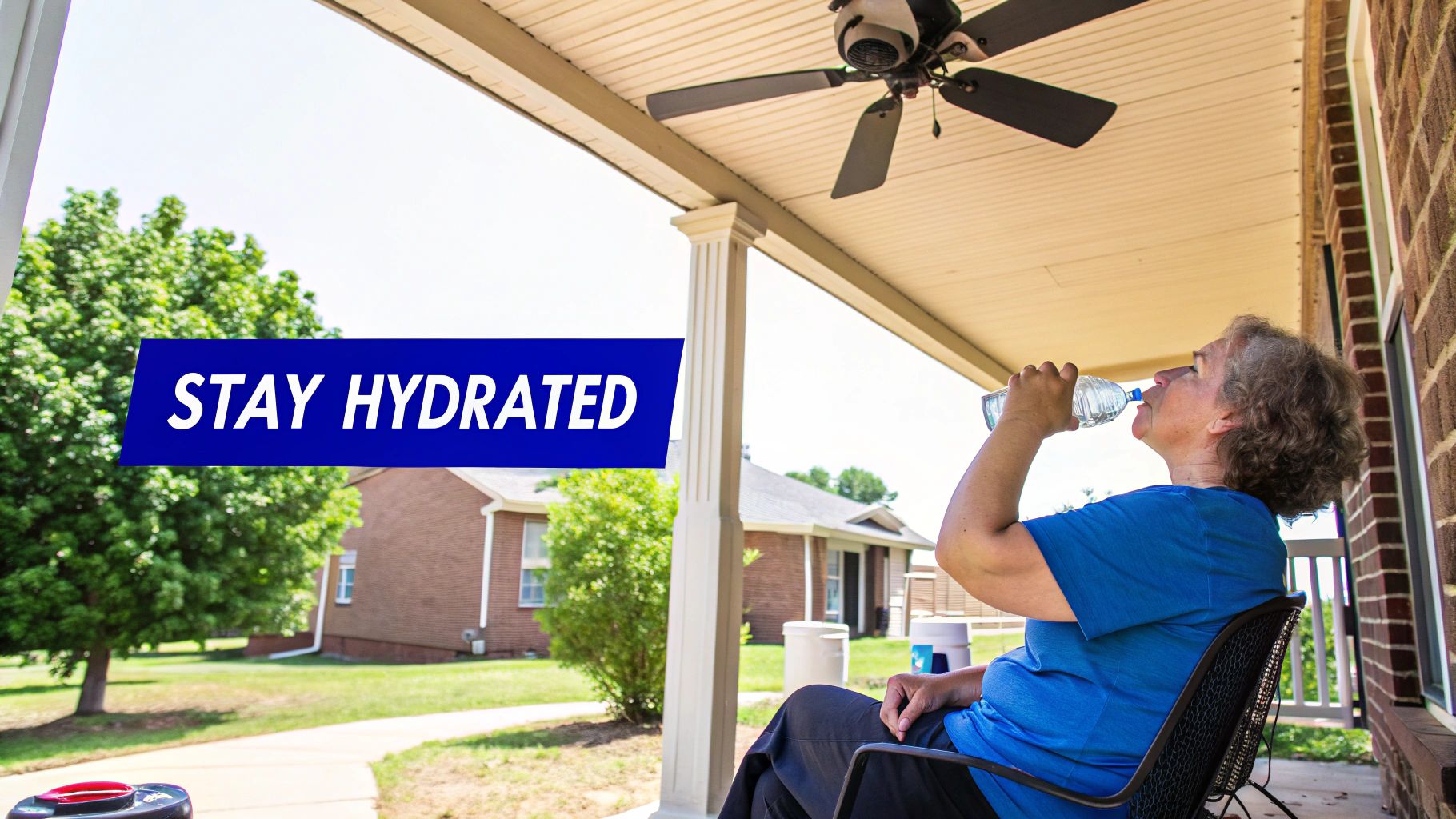
The basic idea is simple: stay out of the heat and take the strain off your body. It all starts with turning your home into a cool refuge, understanding just how critical hydration is, and spotting the early warning signs of heat stress before they become serious.
Prepare Your Home To Be A Cool Oasis
When the heat is oppressive, your home is your first line of defence. The mission is to block the sun's heat from getting inside during the day, then make the most of any cool air you can find once the sun goes down.
Think of your windows as barriers. Keep those curtains, blinds, and shutters closed during the hottest parts of the day, especially on windows facing east in the morning and west in the afternoon. It sounds simple, but this one action can dramatically lower your indoor temperature.
Then, think about airflow. If it’s cooler outside at night than it is inside, open up your windows and doors to get a cross-breeze going. This helps to flush out all the heat that’s built up during the day. A few fans will help circulate that cooler air and make a real difference to your comfort levels.
Here are a few more pro tips:
- Minimise Heat Sources: Firing up the oven, stovetop, or clothes dryer generates a surprising amount of indoor heat. Try to avoid using them during peak heat.
- Strategic Shading: External awnings or even temporary shade cloths over windows and balconies stop the sun from hitting the glass in the first place.
- Cooling Hacks: For a bit of DIY air-con, place a shallow bowl of ice in front of a fan. It creates a surprisingly refreshing, cool mist. Applying a cool, damp cloth to your neck, wrists, or forehead also offers quick relief.
Master Your Personal Health And Hydration
Staying healthy during a heatwave really comes down to two things: keeping your body cool and, most importantly, staying hydrated. Dehydration is what kicks off heat exhaustion and the much more dangerous heatstroke. Getting your fluid intake right is simply non-negotiable.
Don't wait until you're thirsty to have a drink. Thirst is a signal that your body is already on the path to dehydration. You need to be sipping water consistently all day long, even when you don't feel like it. Understanding what extreme heat does to our bodies, especially when we're active, is crucial, as is knowing the role of sports drinks and electrolytes in fighting dehydration.
Recognising the early signs of heat stress is crucial. If you or someone else experiences dizziness, headaches, nausea, or excessive sweating, it's a clear signal to get to a cool place, rest, and rehydrate immediately.
It’s also smart to adjust your daily schedule. Move any strenuous outdoor activities, like exercise or gardening, to the coolest parts of the day—either early in the morning or late in the evening. For more tips on keeping your fluid levels where they need to be, have a look at our guide on how you can drink more water daily to keep healthy.
Look Out For Your Community
Heatwaves hit the most vulnerable people in our community the hardest. The elderly, people with chronic illnesses, young kids, and those who live alone are all at higher risk. Looking out for each other is one of the most powerful safety tools we have.
Make a point to check in on at-risk neighbours, friends, and family members. A quick phone call or a brief visit can make a life-saving difference, ensuring they are coping okay and have everything they need to stay cool.
Consider these simple actions:
- Share Information: Make sure your neighbours know about any heatwave warnings and understand the key safety tips.
- Identify Cooling Centres: Know where the nearest public air-conditioned spaces are. Think libraries, shopping centres, or community halls that can be used as a refuge from the heat.
- Offer Practical Help: Offer to grab groceries or run errands for a vulnerable neighbour so they can avoid heading out in the peak heat.
By taking these practical steps—prepping your home, managing your health, and supporting your community—you can seriously reduce the risks that come with an extreme heatwave and help keep everyone safer.
Your Top Questions About Australian Heatwaves, Answered
Even with all the facts, it’s normal to have a few more questions about Australia’s intense heat. Let's tackle some of the most common ones with clear, direct answers to help you get a better handle on what it means to live through an Aussie heatwave.
Which Summer Was Officially Australia's Hottest On Record?
The summer of 2012–2013, which earned the nickname the 'Angry Summer,' still holds the record as our hottest on the books, based on the national average temperature. It was an event so extreme it completely reset what we thought a heatwave could be.
This wasn't just a few scorching days here and there. The 'Angry Summer' was relentless and widespread, setting a new record of seven consecutive days where the national average maximum temperature blasted past 39°C. The heat was so far off the scale that the Bureau of Meteorology actually had to add new colours to its temperature maps just to show what was happening.
How Does Climate Change Influence Australian Summers?
Think of climate change as a powerful amplifier for our already hot summers. The steady increase of greenhouse gases in the atmosphere has lifted the baseline temperature across the globe. It's a bit like raising the floor of a basketball court—the players can't jump any higher than before, but because the floor itself is higher, they can now reach heights that were once impossible.
This means natural climate drivers like El Niño are now playing out in a much warmer world. Because of that, it's far more likely for temperatures to smash records when these events roll around.
Australia's top scientific bodies, including the Bureau of Meteorology and CSIRO, have confirmed that human-caused climate change massively increased both the likelihood and the intensity of events like the 'Angry Summer'. This direct link means we're now facing heatwaves that are more frequent, last longer, and hit harder than ever before.
What Are The Best Ways To Cool A Home Without Air Conditioning?
You can make a huge difference to your home's temperature without cranking the air con by using two simple strategies: blocking daytime heat and welcoming cool night air. It’s a smart, low-cost way to manage your indoor climate during the australia hottest summer days.
During the day, your main goal is to stop the sun's heat from getting in.
- Seal Your Home: Shut all your windows, blinds, and especially heavy curtains on the sunny side of the house. This creates a solid barrier against the incoming heat.
- Minimise Internal Heat: Try to avoid using heat-generating appliances like ovens, stovetops, or clothes dryers during the hottest part of the day.
Once the sun goes down and the air outside is cooler than inside, it's time to flip the script.
- Create a Cross-Breeze: Open up windows on opposite sides of your home. This lets the cooler night air flow through, pushing out all the heat that built up during the day.
- Use Fans Wisely: Fans don’t actually cool the air, but they create a wind-chill effect on your skin that helps you feel cooler. For an extra boost, try placing a bowl of ice in front of the fan to create a refreshing mist.
These simple habits can seriously improve your comfort and take some of the strain off your body during a heatwave.
Where Can I Find Official Heatwave Warnings And Advice?
When a heatwave hits, getting accurate, timely information is absolutely critical for staying safe. You should always rely on official sources for the most trustworthy guidance.
These are your go-to resources:
- Bureau of Meteorology (BOM): The BOM is Australia's number one authority for weather forecasts and official heatwave warnings. You can get their vital updates on the official website (bom.gov.au) or through their mobile app.
- State and Territory Health Departments: Your local health department is the best source for public health advice on managing heat-related illnesses and protecting vulnerable people. Their websites are updated with specific local recommendations during extreme heat.
- Local Councils and Emergency Services: Your local council and the State Emergency Service (SES) will share important community-level updates. This often includes details on resources like public cooling centres—air-conditioned spaces open to everyone during severe heatwaves.
By sticking to these official channels, you can be sure the advice you're following is credible, up-to-date, and relevant to where you live, helping you navigate the summer heat safely.
At Awesome Water®, we believe that staying properly hydrated with clean, filtered water is your first line of defence against the summer heat. Our range of water coolers and filtration systems makes it easy for every Australian household to access great-tasting, purified water right from the tap. Explore our solutions today and make sure your family is prepared for the next heatwave. Learn more at https://www.awesomewater.com.